An Educational Environment for TeenagersMontessori Center "Iskra"


We create opportunities for learning, growth, self-discovery, and realizing one's abilities.

Together with the teenager and their parents, we build an individual educational path.

What could a dream school for teenagers look like?

Safe

Physical and psychological safety that comes from respect, acceptance, and support.

Free

A healthy balance of freedom and responsibility for one's own learning. Not for grades, not because someone said so, but because the person decided for themselves what and how to learn — for their own interests and dreams. We carefully guide the teenager on this path, helping them become independent and responsible.

Engaging

Plenty of live interaction, hands-on practice, and projects that balance out theory. Plenty of varied creative work that helps express feelings and ideas. School takes up a lot of time — it's a whole life, and it should be lived in an engaging, rich, and meaningful way.

Judgment-free

No constant external grading or comparison. A fair sense of one's own effort and results grows from within. Mistakes aren't scary — on the contrary, they help set the next learning goals.

Friendly

Genuine connection between teachers and students: solving problems together, discussing complex philosophical and moral questions. Genuine connection with parents: we learn to be partners — teachers, children, and parents alike.

Supportive

The teenager stays confident, feels valued by the world and the community they're part of, and understands where and why they're headed.

How academic subjects are taught

We don’t call our educational environment a "school," because our goal isn’t limited to covering the academic curriculum. What matters to us is working with the whole person — helping them grow up, become better, and feel like a valued member of the community.
Individual educational path

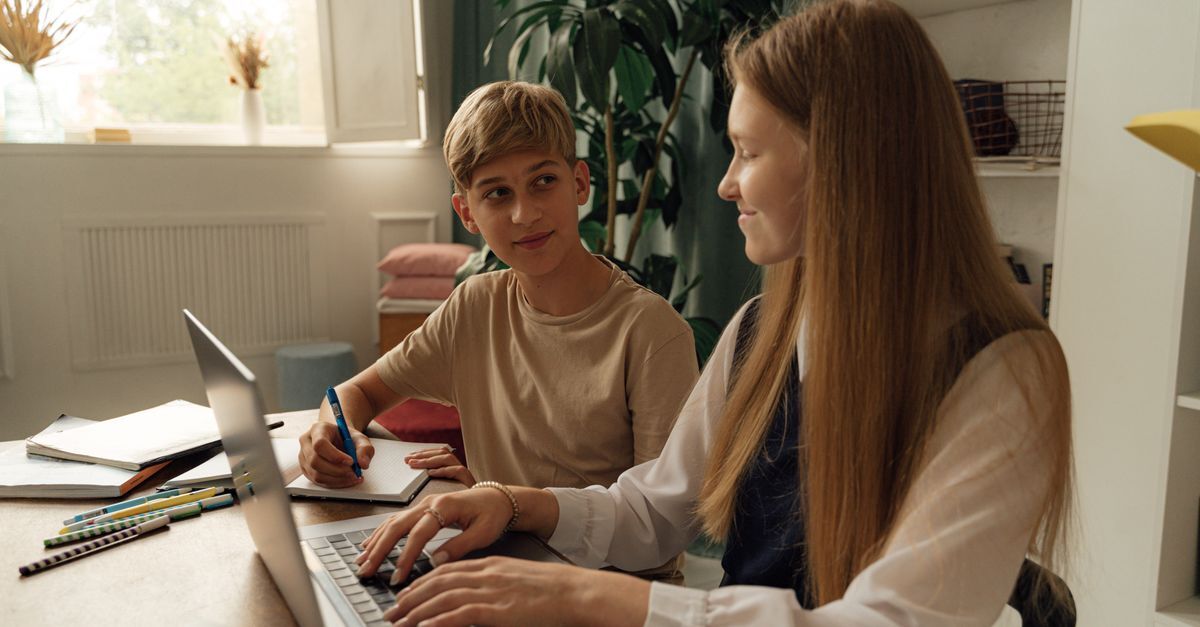
  • Close work with a tutor who helps the teenager understand themselves, their interests and wishes, and build their academic and career path on that basis.
  • A focus on independence and self-organization. We work on intrinsic motivation and fully hand over responsibility for learning to the teenager.
  • Parents are part of the team. It’s important to discuss expectations and concerns in advance and set shared goals. Our team includes a highly qualified psychologist experienced in both family relationships and educational psychology.
Academic program and hard skills

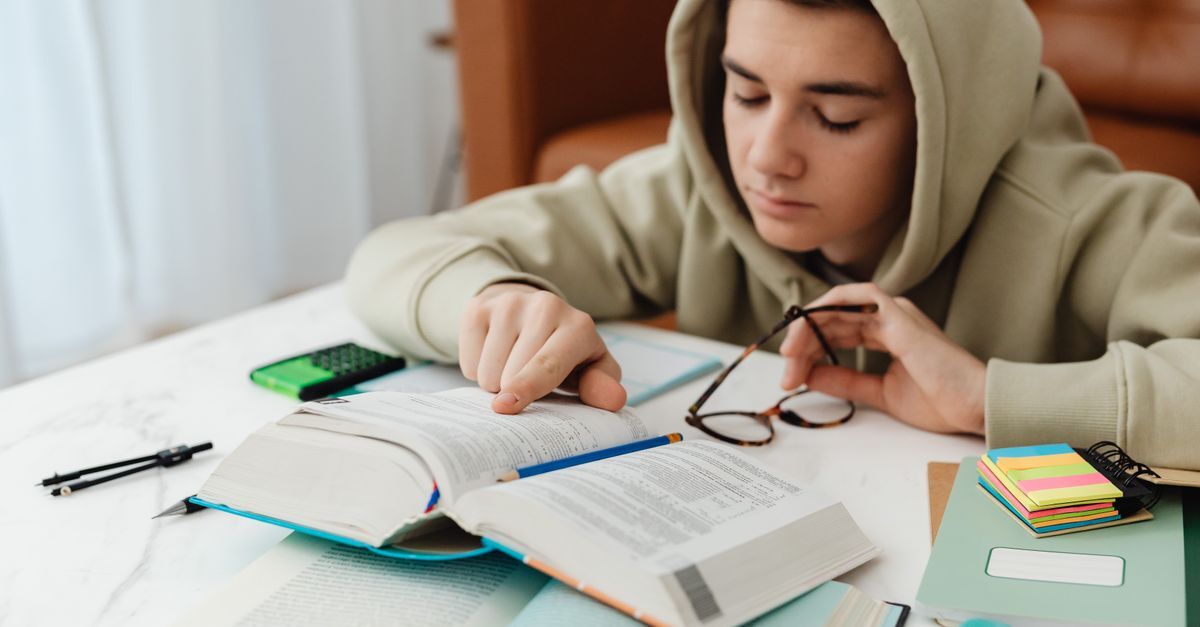
  • We identify subjects that everyone needs to master to some required extent: math, native language, foreign language. We closely track progress in these subjects together with the students.
  • We set aside time in the schedule for covering the required curriculum and preparing for assessments.
  • We help each student find their own learning style: How do I learn best? What helps me? We use self-assessment tools.
Interdisciplinary immersions and soft skills

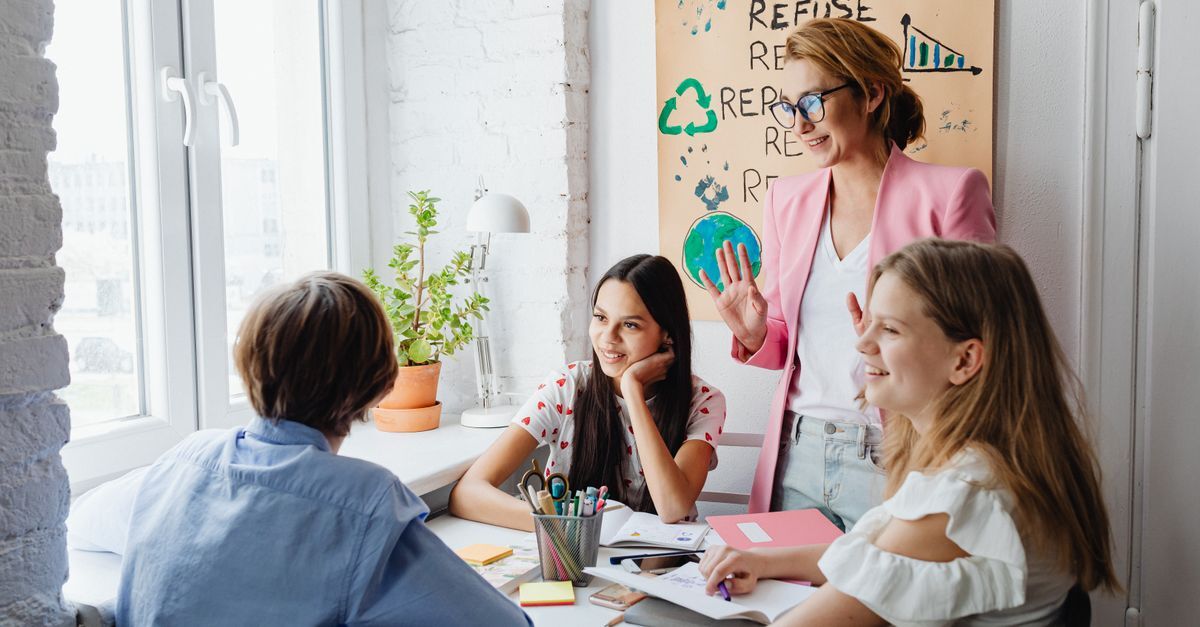
  • We study the natural sciences, humanities, and technical and applied subjects through immersion in one big theme, where we can see how human knowledge connects.
  • How deep we go into each area depends on the students’ interest. We let the teenagers take the wheel, choosing the route of their own educational journey. We give them the chance to try different ways of learning and show that learning can be fun and engaging — and, most importantly, driven by their own initiative.
  • We use project-based methods and show the connection between knowledge and practical activity.
Creative and cultural environment

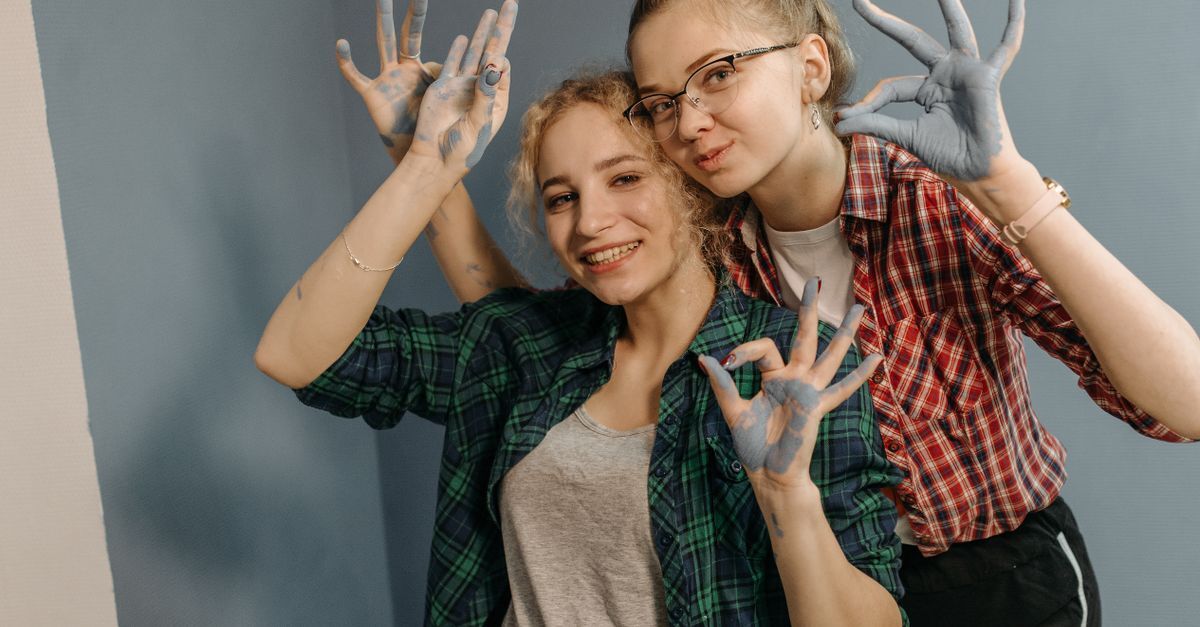
  • Art and creative self-expression help process inner changes. We explore various forms and practices that help shape one’s own ideas and feelings (music, literature, painting, language, theater...)
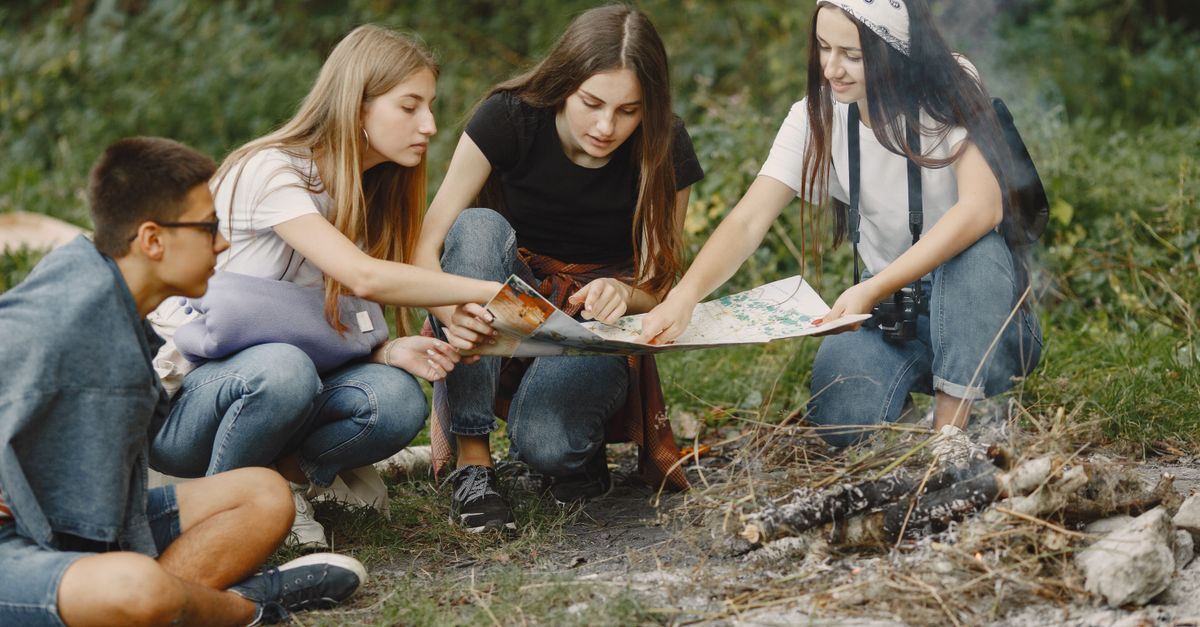
  • We love trips, hikes, and taking part in organizing events and other projects. Our classroom is the whole world — it isn’t limited to the school walls.
  • A young entrepreneurs’ club, where we learn to understand our own potential and our value within the adult community.
Physical and mental development

  • Movement is life. We talk about the body and health, and look for our own way to stay fit and healthy. We don’t hand out ready-made recipes — instead, we think, try things out, and experiment together.
  • Development workshops for teenagers (emotional intelligence, logic, ethics, meetings with psychologists and specialists as needed, conflict-resolution strategies...)
How do we assess progress?

We don’t have grades, a teacher’s grade book, or report cards, the way most of us remember from our own childhoods. Even so, we’ll spend a lot of time on how to soberly and fairly assess one’s own work and results, using national and international standards as a reference. How do you accept mistakes and what do you do with them? How do you set the next learning goals? What should you base your self-assessment on?

The concerns parents most often bring to us

“My child doesn’t want anything”

Lost interest in school, does homework only under pressure, lives on their phone, doesn’t know what they want.

With us, teenagers start learning not for grades, but because they see meaning in what they’re doing. Their intrinsic motivation is nurtured through their own choices and decisions, and through real projects.

Learning is tied to real tasks: entrepreneurial projects, research, community work. This helps answer the eternal question, “What’s the point of all this?”

“Not ready for adult life”

How do you keep them from growing up too dependent? If parental control is loosened, will the teenager be able to make the right decisions on their own?

We build independence in teenagers — not just day-to-day independence, but intellectual and organizational independence: we teach planning, time management, decision-making, taking responsibility for the consequences, and teamwork. By the time they finish school, the goal is to be ready not just for exams, but for independent life.

“Mainstream school crushes individuality”

The teenager is afraid to make mistakes, studies only for grades, compares themselves to others, and school-related anxiety grows. Low self-esteem, dependence on peers’ opinions, a lack of values.

We treat mistakes as part of learning, not as grounds for punishment or a label. This helps preserve curiosity and self-confidence.

We put a strong emphasis on finding one’s own identity, a meaningful role in the community, and a sense of personal worth through contributing to a shared cause.

“We’re tired of constantly having to control everything”

Did they do their homework? Did they pack their things? Did they prepare for the test?

Our goal is to make the teenager the author of their own learning, not an object of constant monitoring.

Schedule and tuition

Schedule

10:00 AM–3:00 PM
Monday
Tuesday
Thursday
Friday

Wednesday — self-study day

Tuition

€370 / month
One-time registration fee: €200 — upon enrollment.
Meals: ~€80/month (approximate estimate) — paid separately, optional.

School subjects

Russian language
Mathematics
English language
Natural sciences
Humanities and social sciences
Applied subjects

What families say about us

А

Huge thanks to all the teachers at Iskra! In just six months, they didn’t just restore the motivation my son had lost during his time at a Serbian public school — they multiplied it.

The school’s approach really resonates with me. Honestly, I haven’t been able to find a single downside so far.

I love that everything is built around age-appropriate development. That the material is experienced through feeling, hands-on experience, and reasoning, rather than just memorized.
It really matters that the teachers aren’t distant, but genuinely involved in the process and in their relationships with the children. That the child is gradually taught to manage their own time, take responsibility, and be independent — without pressure or fear of making mistakes.

What really stands out is the atmosphere: gentleness, respect for feelings, a calm approach to conflict. That feels just as important as academics. And it’s wonderful that school life isn’t limited to lessons — there are activities, a sense of community, an interesting life: hikes, camping trips, park walks, cycling trips, museums, exhibitions, and more.
This is a warm, right place for kids!

Alina
parent
О

I love Iskra because my child gets a well-connected, integrated set of knowledge and skills at school. The teaching is built with an understanding of how a child’s brain takes in information. My child gains knowledge through curiosity, not through pain and struggle, the way it was for us in the traditional system.

What’s especially valuable to me is that the school gives not only academic knowledge, but also teaches how to build relationships, resolve conflicts, and help one another.

Olga
parent
Ю

Varya has settled in well studying in English, and we’re really glad about that. Thank you for such a strong foundation, and above all, for such a positive picture of school life.

Yulia
parent
Д

I really like that they take each child’s interests and individual traits into account here. My son has become more confident and more interested in learning.

Dasha
student

We're always happy to answer your questions and help you choose the right educational path.
Get in touch: